I visited Versailles last spring. It enchanted and disturbed me all at once. I despise wealth inequality, yet the opulence seduces me. I’m an artist, and I love shiny things. As I wandered the halls, I admired the craftsmanship of the art that decorated every inch of the palace. Art itself is the vehicle through which the wealthy display their power. One of my favorite painters is Marie Antionette’s portrait artist, Elizabeth Vigée Lebrun. She is one of the very few women who was able to achieve such recognition as an artist, working her way up from a modest background into one of the wealthiest artists of her day, even after she was banished from France for 12 years during the revolution. Marie chose her because of the close personal friendship they were able to form, allowing Le Burn to overcome the barriers placed on all other female artists of the time. Despite strong opposition from the director, she was admitted into the academy.
Marie Antoinette was one of history’s biggest scapegoats. There was an avalanche of propaganda against her, including the infamous “let them eat cake,” which she never actually said. “Libelle” were pornographic political pamphlets that slandered Marie as a sexual deviant. She was falsely portrayed as having an endless sexual appetite, which she satisfied outside of her marriage with men, women, and even her own children. According to Robert Darnton, a historian and researcher of the libelles, the “avalanche of defamation” levelled at Marie Antoinette from 1789 to her execution in 1793 has “no parallel in the history of vilification.” When they took her young son away from her, they plied him with alcohol and groomed him into accusing his own mother of the abuse portrayed in the Libelles, then let him slowly die of rot and disease in prison over the course of 3 years, finally dying at the age of 10. The real Marie Antoinette is largely absent from history. What survives is a caricature manufactured for public consumption. Marie had very little political power but was the face of the revolution. Why? She was a foreign-born woman. Easier to sexualize and easier to hate. When they stripped her, cut her hair, and dragged her to the guillotine, her last words were Sorry to the executioner for stepping on his foot. They needed to create a monster to destroy. Even after she was murdered, the spectacle of violence didn’t end until it consumed everyone in its path.
I’m skeptical of mob violence because it punishes unfairly, doesn’t complete its goals, and eventually eats itself. Our longing for justice quickly turns to bloodlust and violence as entertainment. Violence just creates more violence, and with it, we get further from peace and equality. Even today, I watch the patterns repeat themselves. I see women become the lightning rods of defamation, dragged to the guillotine in public slander campaigns over and over. The wealth gap is larger than in revolutionary times and only grows. Yet, the blame and energy go everywhere but where they actually belong, the billionaires in charge. Political violence is ever-increasing, but what is left in its wake?
I visited Versailles last spring. It enchanted and disturbed me all at once. I despise wealth inequality, yet the opulence seduces me. I’m an artist, and I love shiny things. As I wandered the halls, I admired the craftsmanship of the art that decorated every inch of the palace. Art itself is the vehicle through which the wealthy display their power. One of my favorite painters is Marie Antionette’s portrait artist, Elizabeth Vigée Lebrun. She is one of the very few women who was able to achieve such recognition as an artist, working her way up from a modest background into one of the wealthiest artists of her day, even after she was banished from France for 12 years during the revolution. Marie chose her because of the close personal friendship they were able to form, allowing Le Burn to overcome the barriers placed on all other female artists of the time. Despite strong opposition from the director, she was admitted into the academy.
Marie Antoinette was one of history’s biggest scapegoats. There was an avalanche of propaganda against her, including the infamous “let them eat cake,” which she never actually said. “Libelle” were pornographic political pamphlets that slandered Marie as a sexual deviant. She was falsely portrayed as having an endless sexual appetite, which she satisfied outside of her marriage with men, women, and even her own children. According to Robert Darnton, a historian and researcher of the libelles, the “avalanche of defamation” levelled at Marie Antoinette from 1789 to her execution in 1793 has “no parallel in the history of vilification.” When they took her young son away from her, they plied him with alcohol and groomed him into accusing his own mother of the abuse portrayed in the Libelles, then let him slowly die of rot and disease in prison over the course of 3 years, finally dying at the age of 10. The real Marie Antoinette is largely absent from history. What survives is a caricature manufactured for public consumption. Marie had very little political power but was the face of the revolution. Why? She was a foreign-born woman. Easier to sexualize and easier to hate. When they stripped her, cut her hair, and dragged her to the guillotine, her last words were Sorry to the executioner for stepping on his foot. They needed to create a monster to destroy. Even after she was murdered, the spectacle of violence didn’t end until it consumed everyone in its path.
I’m skeptical of mob violence because it punishes unfairly, doesn’t complete its goals, and eventually eats itself. Our longing for justice quickly turns to bloodlust and violence as entertainment. Violence just creates more violence, and with it, we get further from peace and equality. Even today, I watch the patterns repeat themselves. I see women become the lightning rods of defamation, dragged to the guillotine in public slander campaigns over and over. The wealth gap is larger than in revolutionary times and only grows. Yet, the blame and energy go everywhere but where they actually belong, the billionaires in charge. Political violence is ever-increasing, but what is left in its wake?

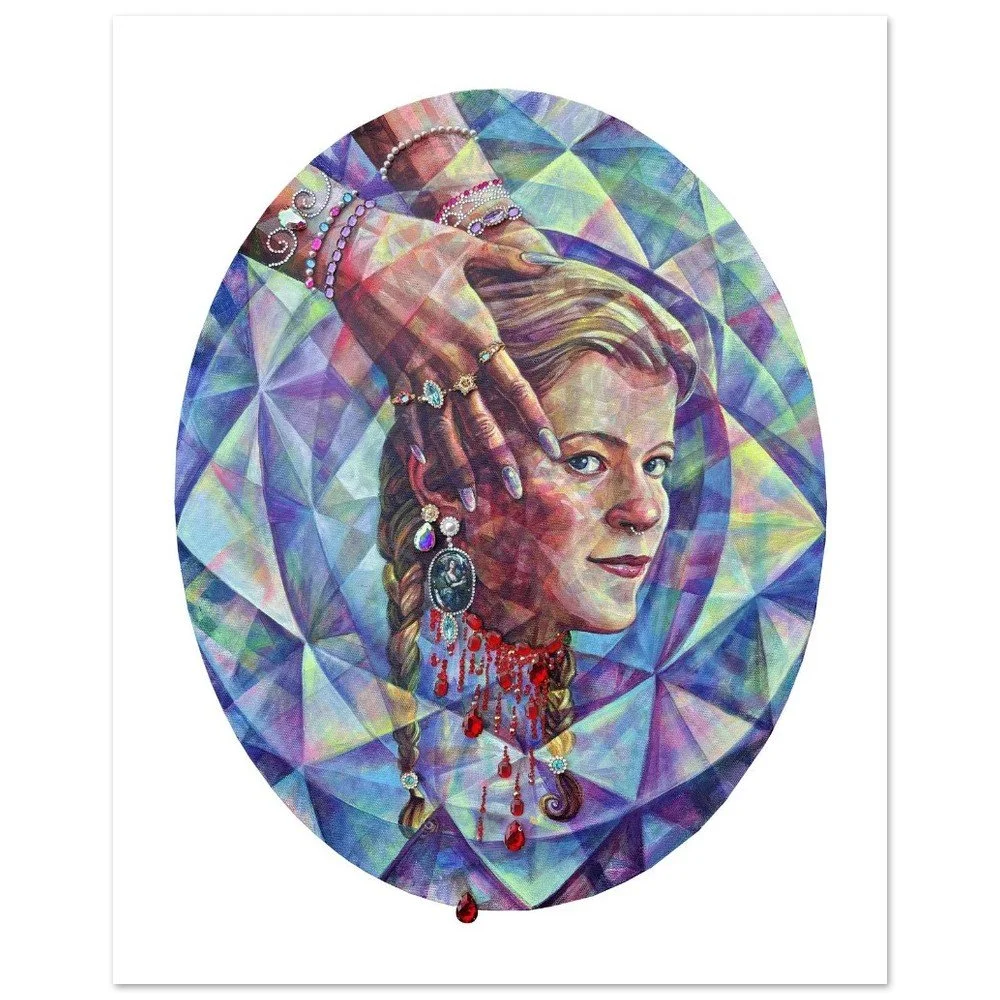 Image 1 of 2
 Image 2 of 2